
Thoughtful learners. Confident futures.
To nurture capable, compassionate learners who approach the future with curiosity and responsibility.
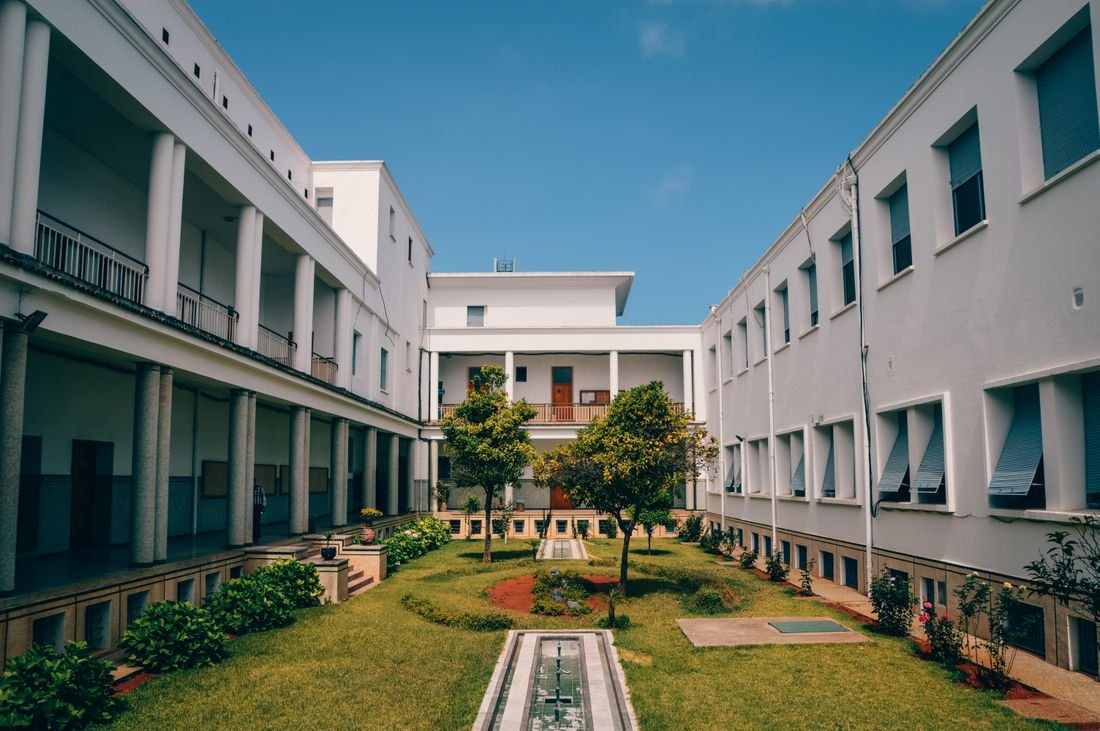
Vihaan Public School serves Class 1–10. Explore a proposed school philosophy centred on curiosity, confidence and thoughtful growth.
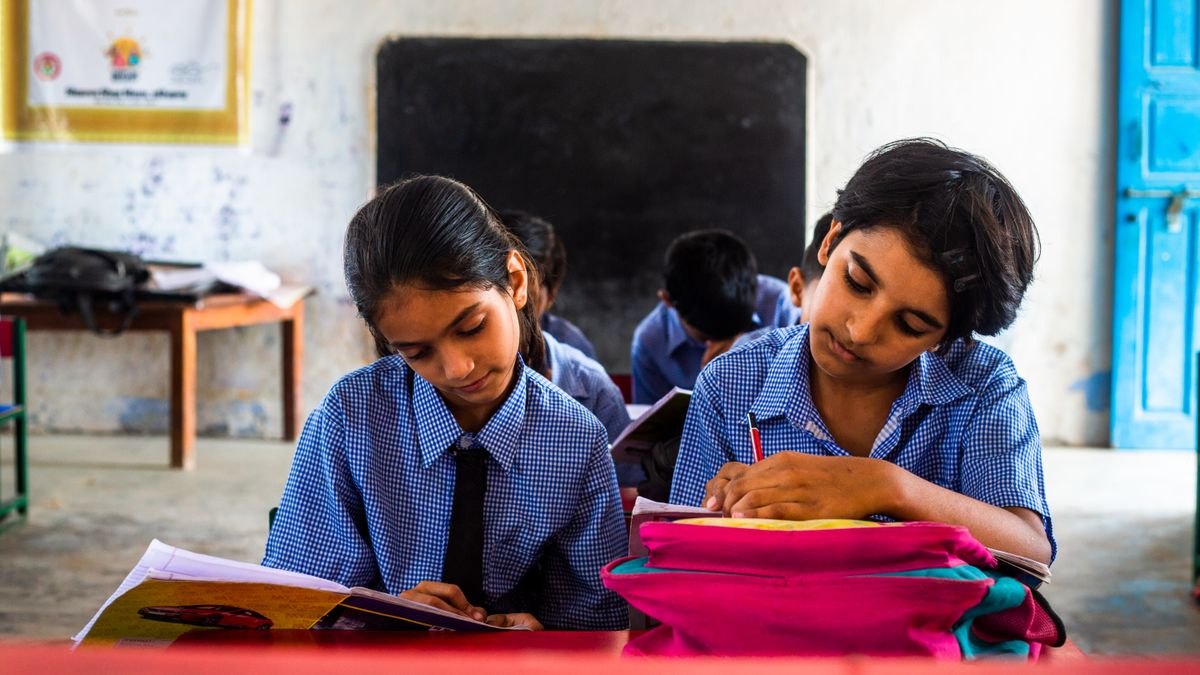
A child’s education brings together understanding, relationships and a growing sense of self. This proposed introduction places academic and personal development side by side.
Meaningful learning invites children to ask questions, practise new skills and connect ideas with everyday experiences. Confidence is built gradually, through effort and reflection rather than comparison alone.
Editable school introduction · Philosophy and learning approach await approval. No founding date, affiliation or institutional achievement is claimed.
These proposed statements are reserved for school review, not presented as an official mission.
To nurture capable, compassionate learners who approach the future with curiosity and responsibility.
To encourage academic growth, creative thinking and respectful participation through a supportive learning community.
Questions lead to understanding. Encourage children to notice, investigate and explore ideas.
Progress grows through practice, thoughtful feedback and opportunities to express a personal perspective.
Respect, responsibility and care for others matter as much as what a student learns.
Learning is richer when students, teachers and families listen and contribute together.
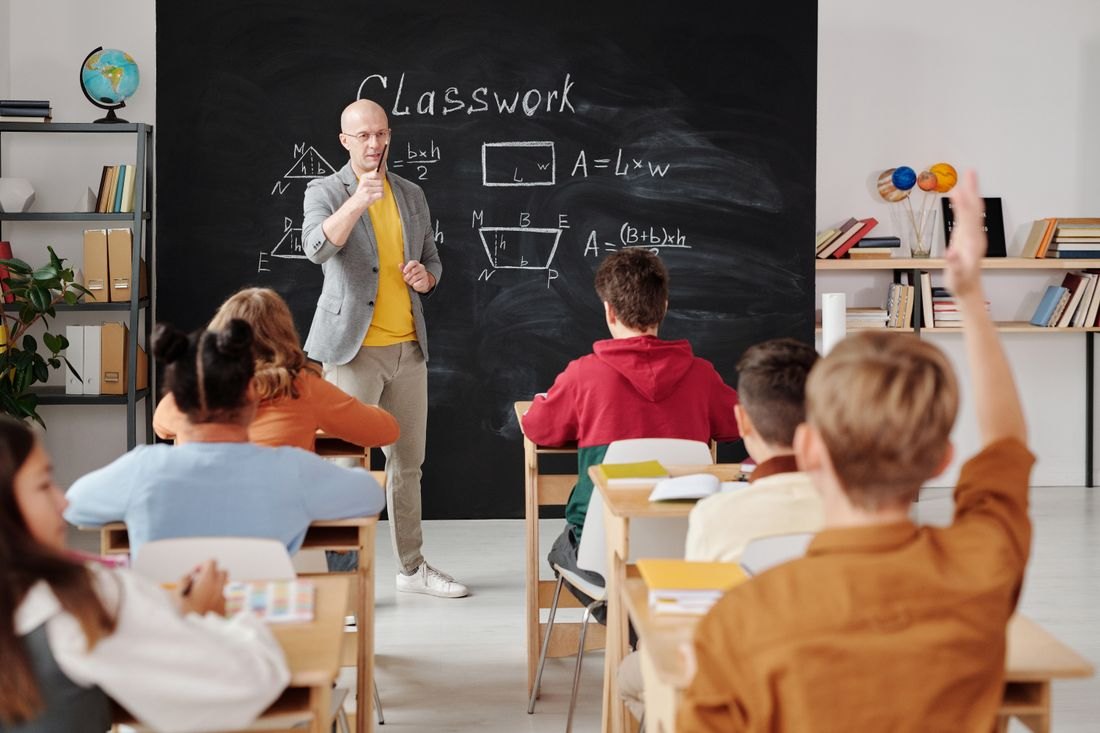
Learning gains depth when students explain their thinking, try different strategies and connect new ideas with what they already know.
Proposed educational principles · Not a claim about an official syllabus or classroom policy.
Primary 1–5, Middle 6–8 and Secondary 9–10 are prototype presentation groupings, pending school confirmation.
Strong beginnings in reading, expression and number sense.
Younger learners benefit from guided discovery, clear routines and opportunities to explain what they notice. A foundation in literacy and numeracy supports growing confidence across subjects.
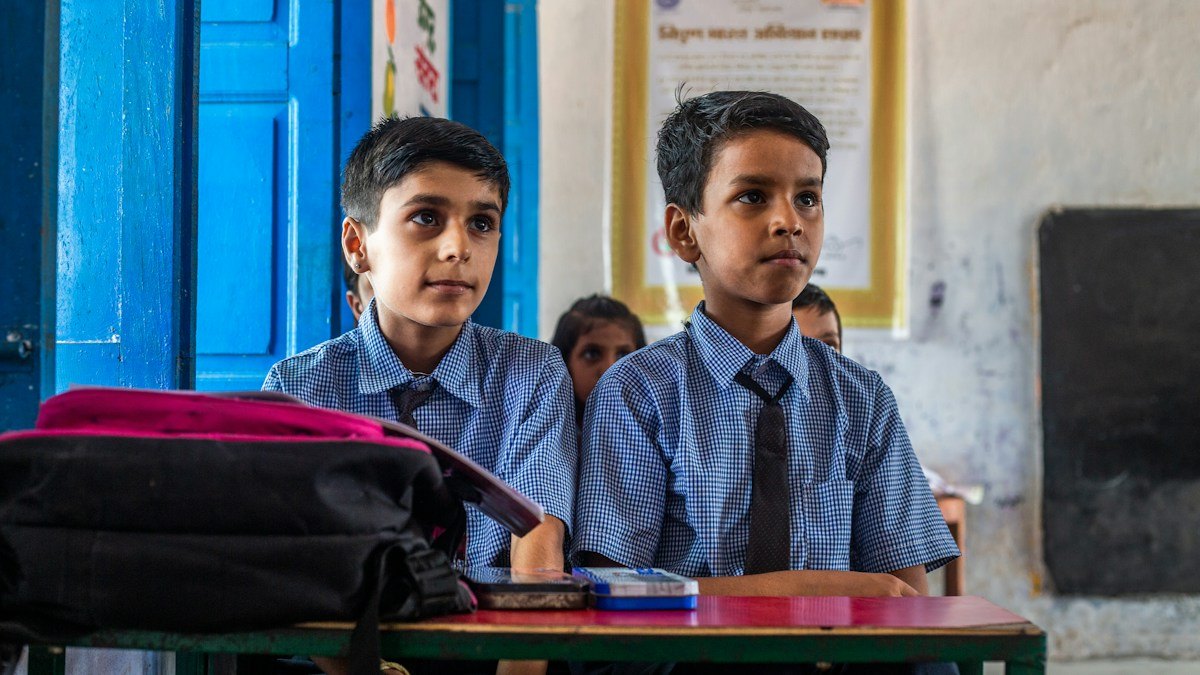
Deeper understanding. More independent thinking.
As learning becomes more connected, students can explore evidence, compare perspectives and organise their work. Discussion and practical tasks help make abstract ideas meaningful.
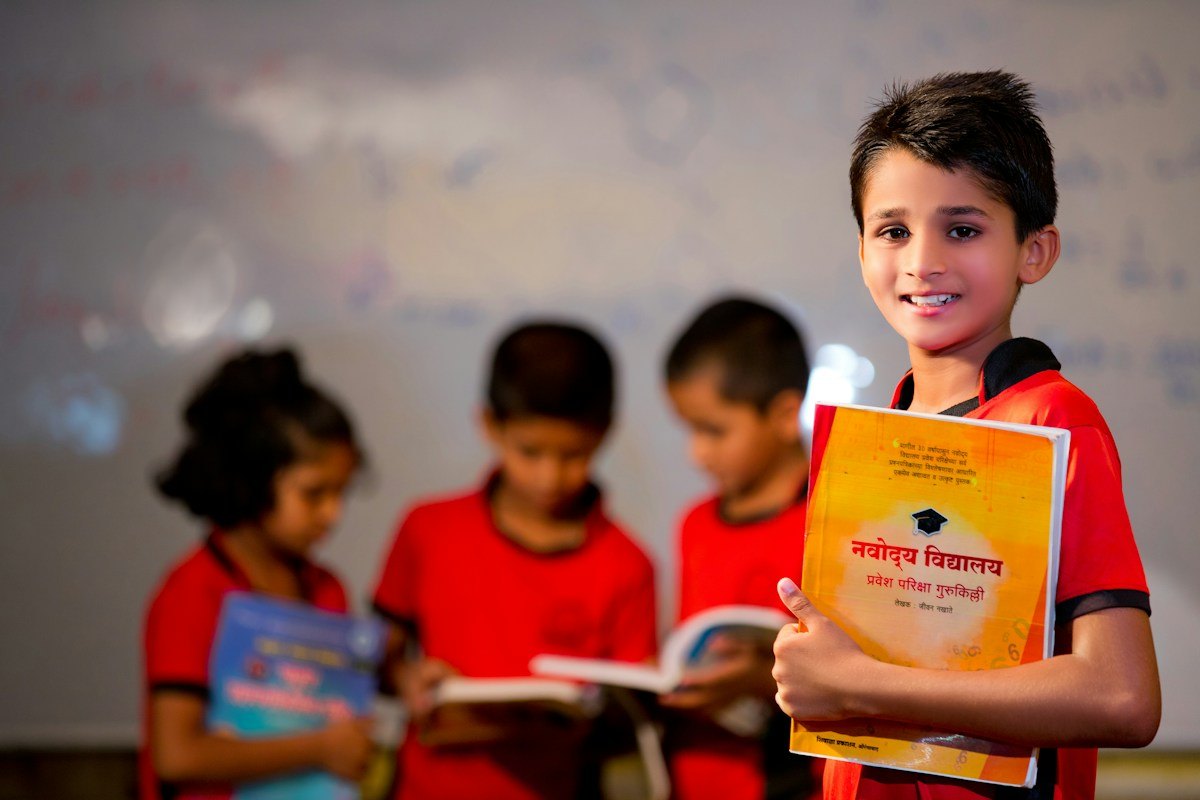
Purposeful study and preparation for the next chapter.
Older students benefit from stronger subject understanding, considered study habits and opportunities to communicate an argument. Reflection helps identify strengths and areas that need more practice.
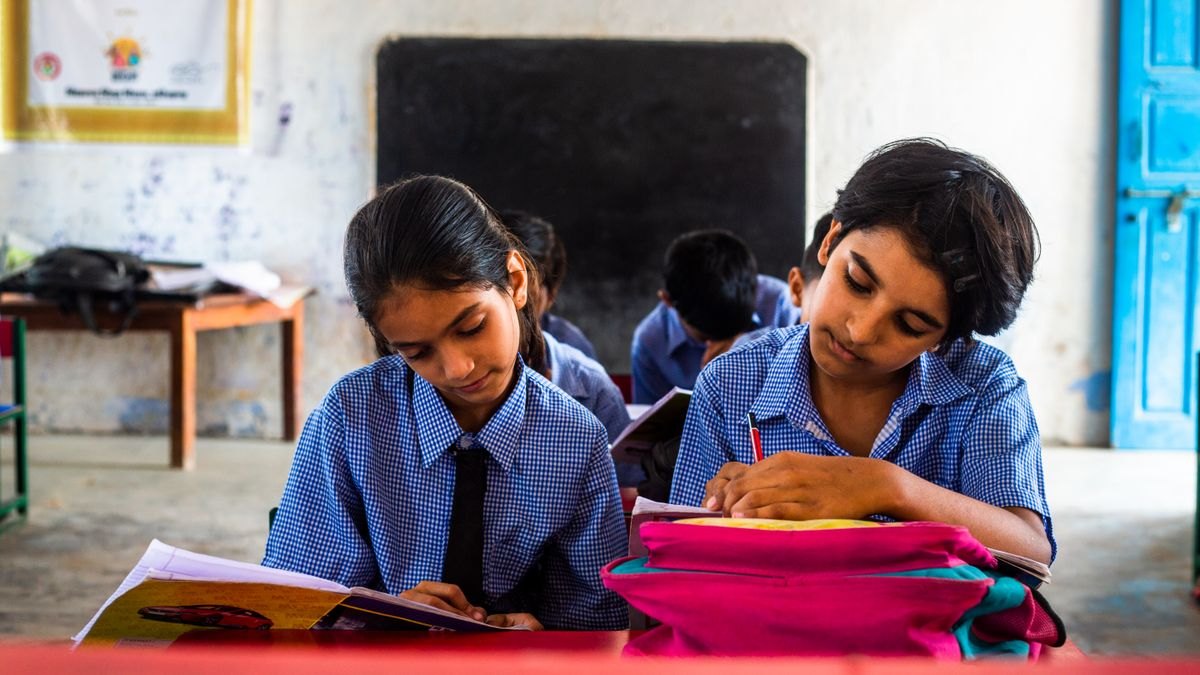
Respectful relationships can help children ask questions, take part and learn from mistakes. Personal growth includes recognising strengths, considering others and making thoughtful choices.
Families should confirm the school’s arrangements for wellbeing, accessibility, learning support and safeguarding. No staffing ratios, specialist services or safety certifications are represented here.
Explore student life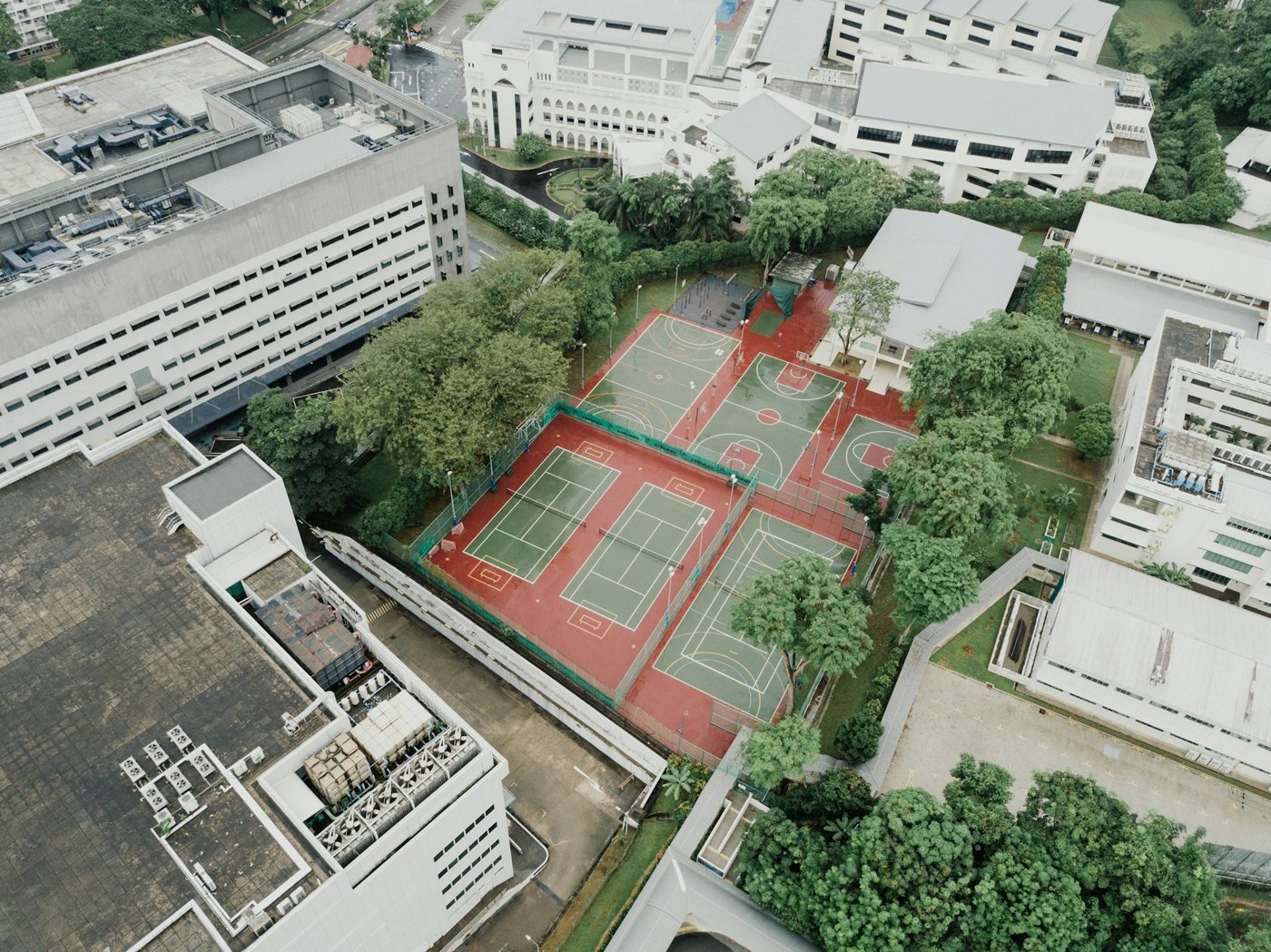
Learning environments bring together focused work, shared ideas and quiet reflection. Explore photographic examples of learning spaces, reading, recreation and creativity.
All current photographs are illustrative. Facilities, equipment and actual campus details must be confirmed by the school.
Explore facilities
For families researching Classes 1–10, a school’s purpose becomes clearer through everyday learning and relationships. These questions can help you explore the proposed philosophy with the school.
Ask how children practise foundational skills, explain their thinking and receive help when a concept needs more time.
Ask how individual progress is recognised and how students are encouraged to contribute, try again and develop their own interests.
Discuss how families can understand school expectations and raise questions. Communication channels and reporting arrangements need school confirmation.
Parent discussion guidance · School-specific services, programmes and arrangements require confirmation.
Explore Class 1–10 and prepare your questions for the school.