Skip to content
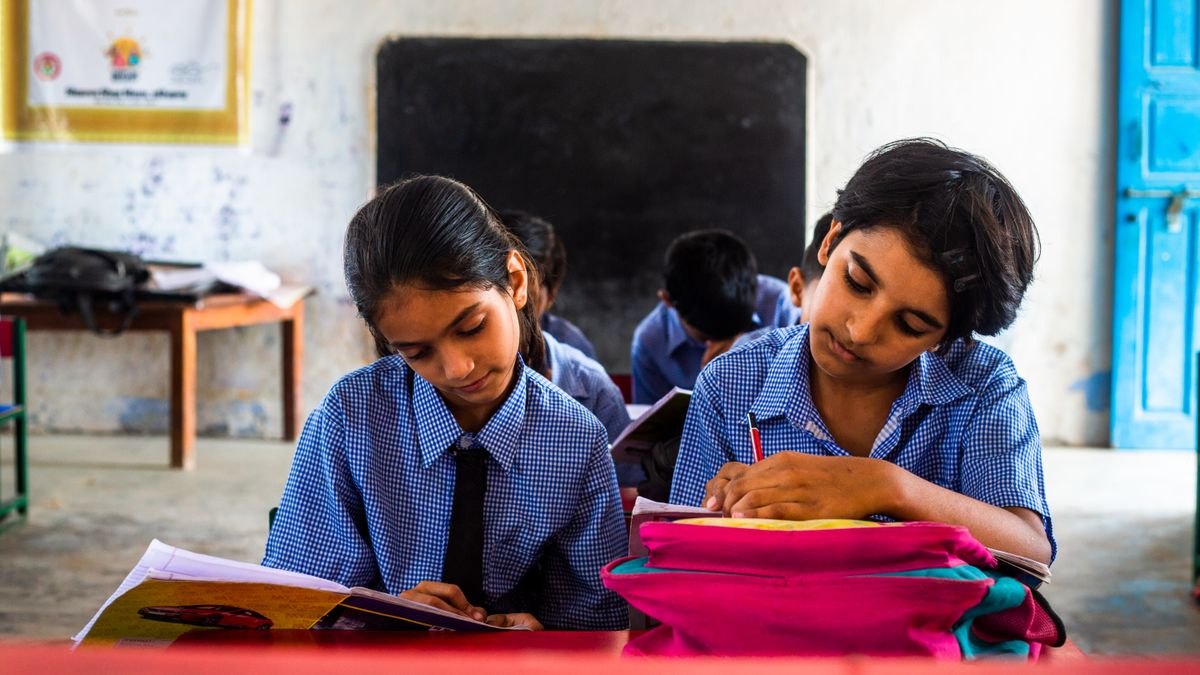
Illustrative classroom school photograph, not verified Vihaan imagery
Academics · Classes 1–10

Curiosity is just the beginning.

From foundational skills to more independent study, each stage brings new ways to understand, communicate and explore.

Illustrative photography · Not verified images of Vihaan Public School.
Class 1–10 confirmed · Stage groupings and learning objectives are prototype descriptions. Official syllabus, affiliation and assessment policies await school verification.
Class 1 to Class 10

Growing at every stage.

Primary 1–5, Middle 6–8 and Secondary 9–10 are prototype presentation groupings, pending school confirmation.

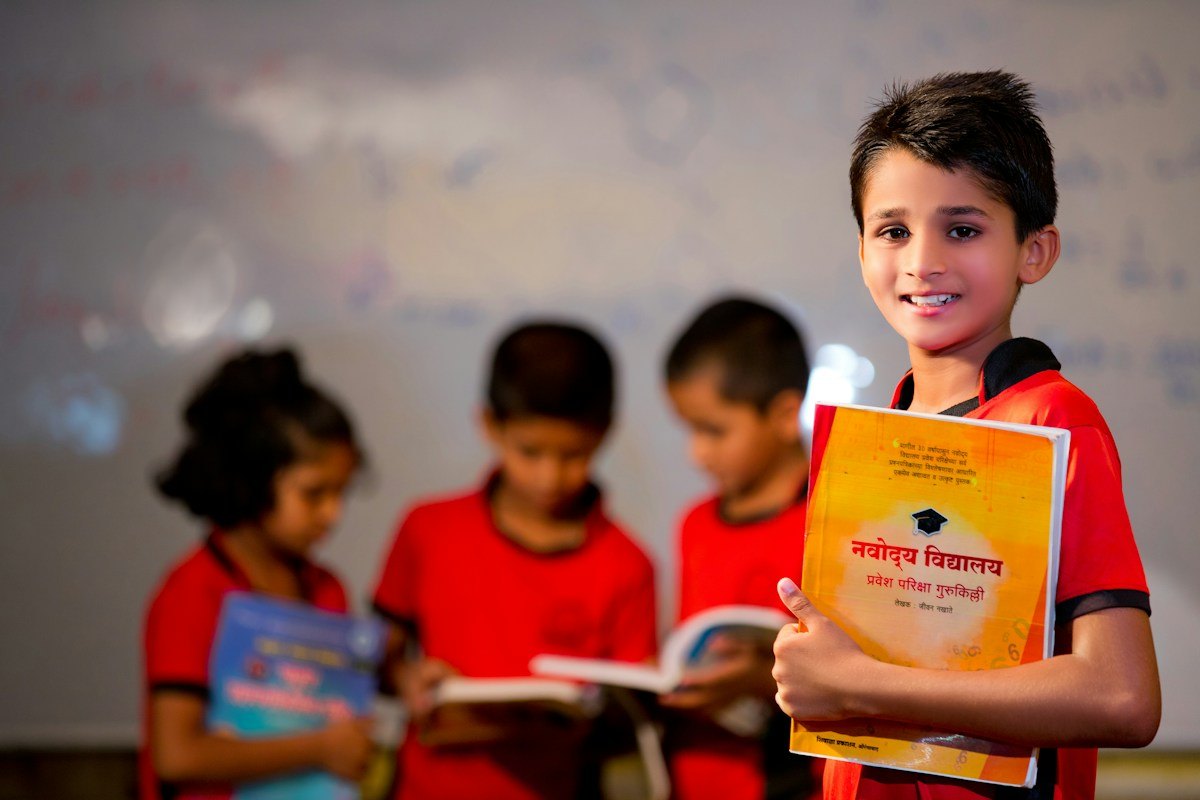
Illustrative primary classroom learning
Classes 1–5

Primary

Strong beginnings in reading, expression and number sense.

Younger learners benefit from guided discovery, clear routines and opportunities to explain what they notice. A foundation in literacy and numeracy supports growing confidence across subjects.

  • Read with understanding and express ideas clearly
  • Explore numbers, patterns and everyday questions
  • Develop listening, sharing and steady study routines
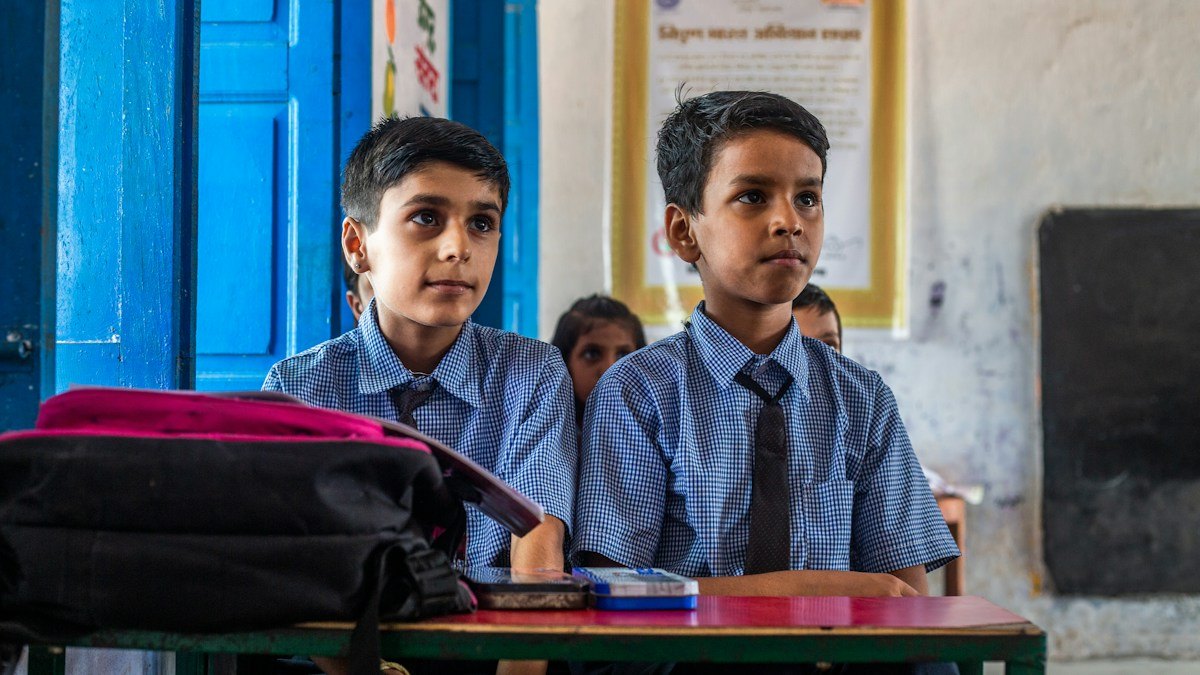
Illustrative middle classroom learning
Classes 6–8

Middle

Deeper understanding. More independent thinking.

As learning becomes more connected, students can explore evidence, compare perspectives and organise their work. Discussion and practical tasks help make abstract ideas meaningful.

  • Connect ideas across subject areas
  • Reason with evidence and ask thoughtful questions
  • Plan tasks, collaborate and reflect on progress
Illustrative secondary classroom learning
Classes 9–10

Secondary

Purposeful study and preparation for the next chapter.

Older students benefit from stronger subject understanding, considered study habits and opportunities to communicate an argument. Reflection helps identify strengths and areas that need more practice.

  • Analyse information and explain reasoning
  • Build consistent revision and independent study habits
  • Consider interests and future learning pathways
Our academic worlds

Different subjects.
A broader perspective.

Illustrative subject areas · Availability and facilities require confirmation.

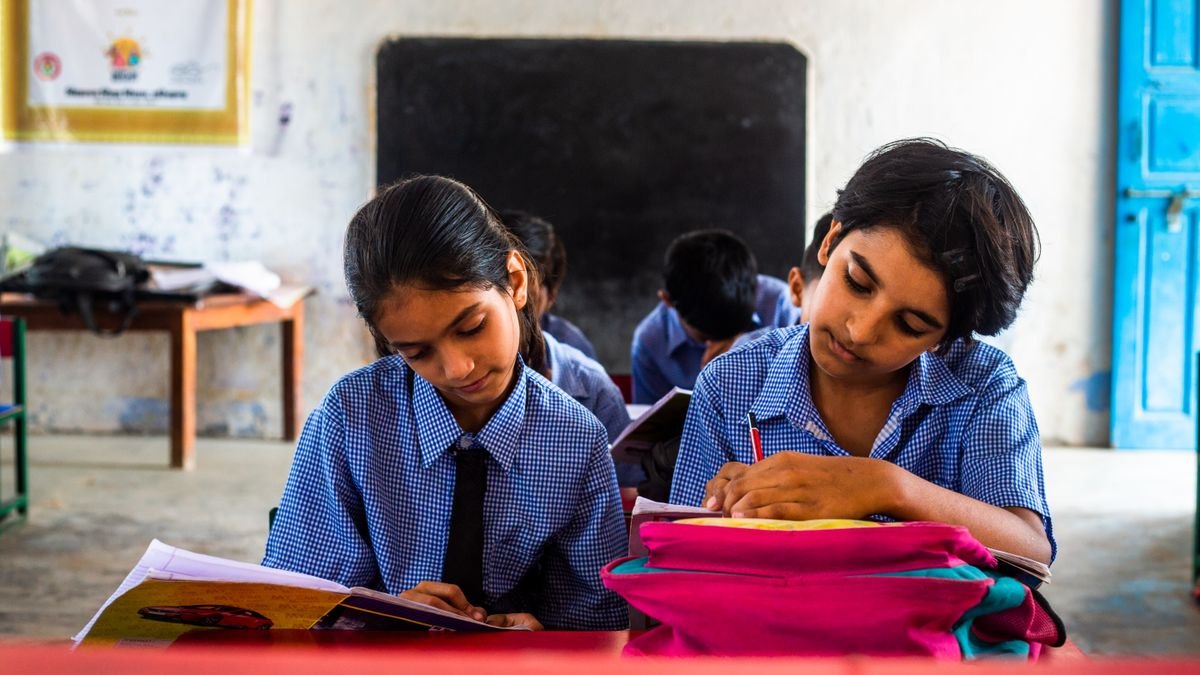
Illustrative middle learning photograph
Illustrative photograph · School verification pending
Study habits & independent learning

Small routines. Stronger understanding.

Planning manageable tasks, revisiting ideas and asking for clarification can make learning more purposeful. These general study principles are useful questions to discuss with the school.

  • Set a clear purpose before beginning a task.
  • Explain an idea in your own words.
  • Use questions and feedback to guide further practice.
  • Reflect on what worked and what needs attention.
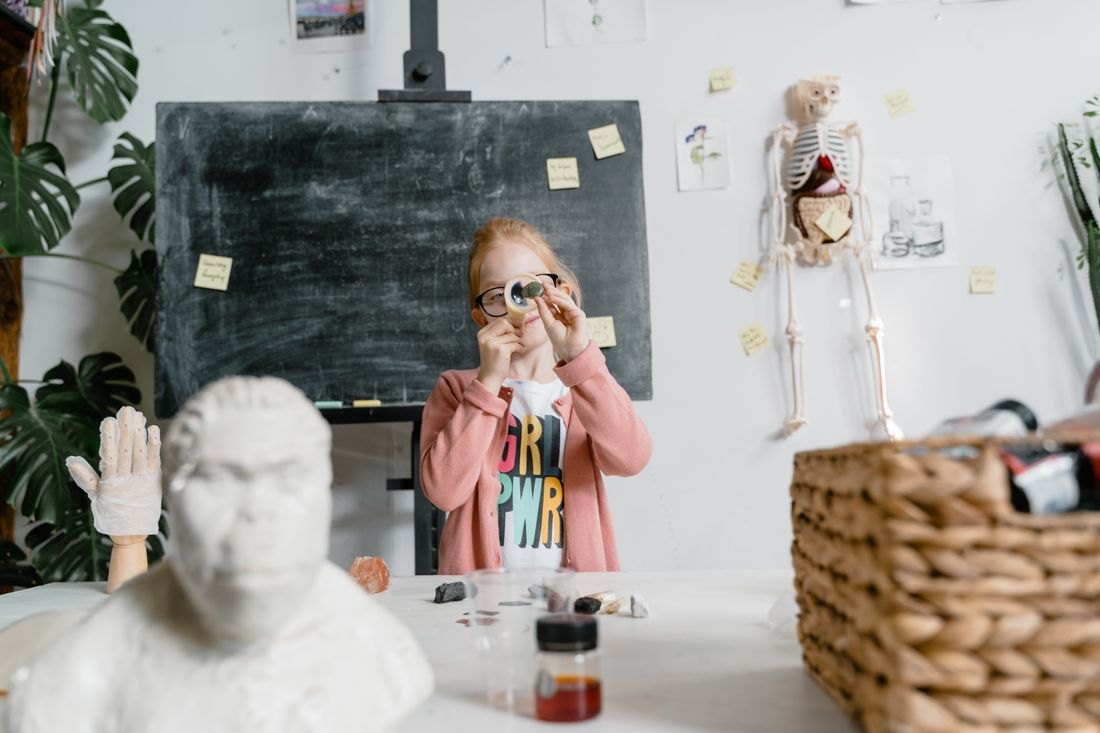
Illustrative science learning photograph
Illustrative photograph · School verification pending
Creative & practical learning

Think clearly. Express confidently.

Critical thinking begins with examining information and asking why. Communication brings that reasoning into discussion, writing and collaborative work.

Practical tasks and creative exploration can give students different ways to test an idea. Specific laboratory, technology or arts provision is not confirmed in this prototype.

Academic progress

Feedback that looks forward.

A useful progress conversation considers understanding, effort and next steps. School-specific assessment and reporting arrangements await approval.

Understanding & practice

Consider what a learner can explain and where more guided practice may help.

Reflection & next steps

Recognise progress and identify achievable goals without inventing marks, rankings or outcomes.

View Results & Notices
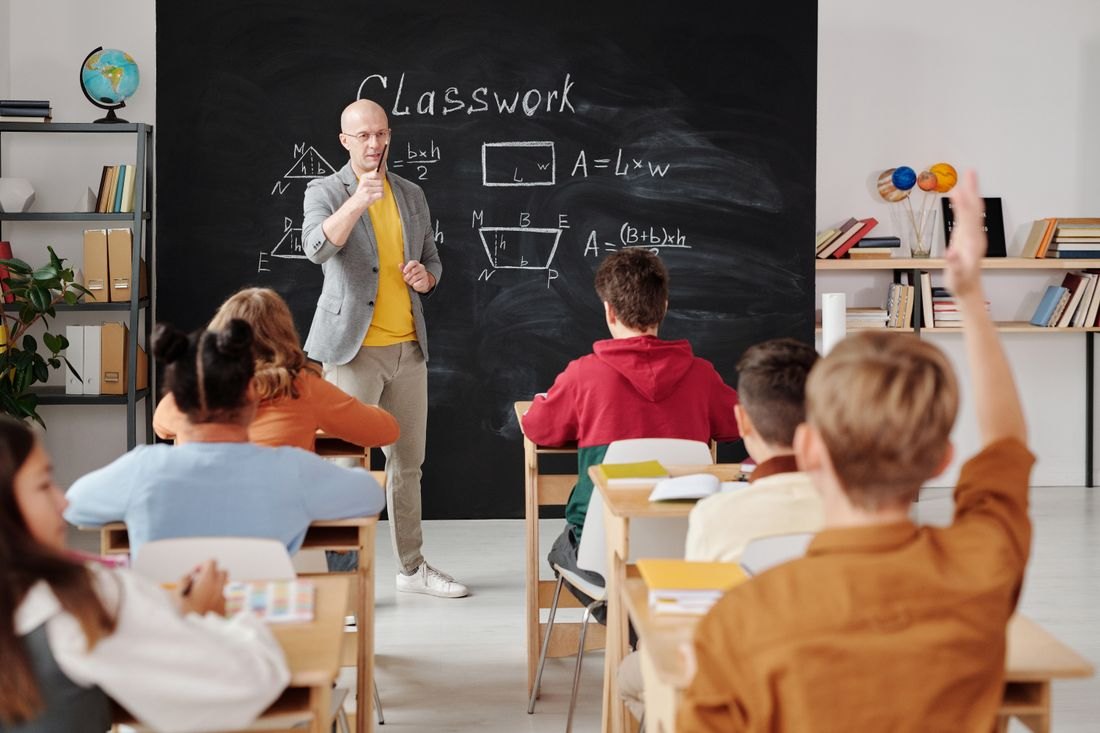
Illustrative mathematics learning photograph
Illustrative photograph · School verification pending
Learning at home & at school

A clearer picture of progress.

Progress is more than completing a task. Families can explore how a child understands an idea, uses it in a new situation and becomes more confident in explaining their reasoning.

Ask for an explanation

Invite your child to describe an idea in their own words. A question or worked example can reveal understanding without turning every conversation into a test.

Balance practice and reflection

Short, purposeful practice and a pause to consider mistakes can support learning. Ask the school about its actual expectations for homework and revision.

Discuss the next step

Use feedback to identify what needs attention. Assessment methods, examination schedules and reporting policies are not verified on this website.

Parent discussion guidance · School-specific services, programmes and arrangements require confirmation.

For families

Questions, thoughtfully answered.

Your next chapter

A brighter tomorrow begins with a conversation.

Explore Class 1–10 and prepare your questions for the school.